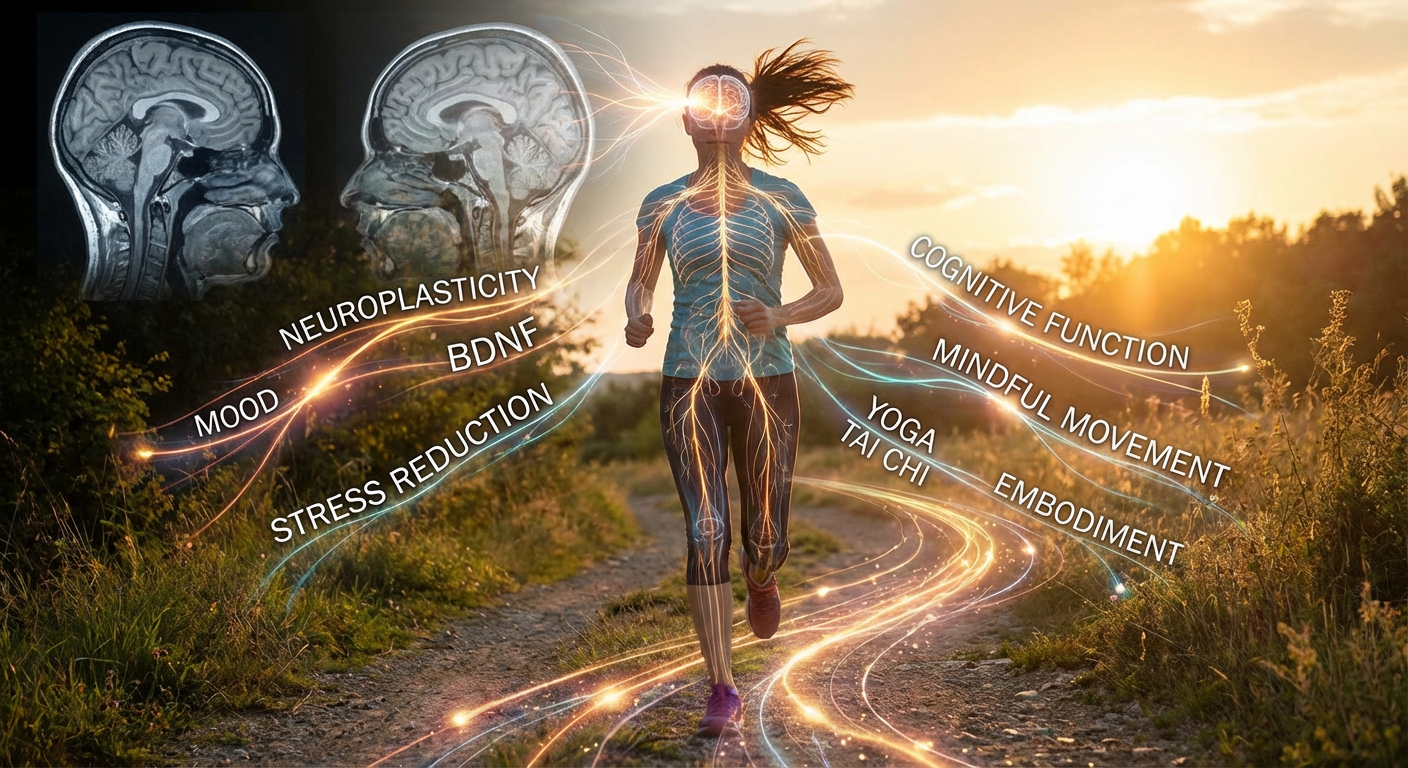
In our fast-paced, modern world, it’s easy to view the mind and body as separate entities. We talk about “mental health” and “physical health” as if they exist in different realms. However, a growing body of scientific evidence reveals a profound and undeniable truth: the mind and body are inextricably linked.
This intricate relationship, often called the mind-body connection, is a two-way street where our thoughts, feelings, and beliefs can positively or negatively impact our physical health, and in turn, the state of our physical body strongly influences our mental and emotional well-being.
Movement, in its many forms, is one of the most powerful tools we have to nurture and strengthen this vital connection.
Far from being a mere mechanical process, physical activity triggers a cascade of neurological and physiological changes that can enhance cognitive function, elevate mood, and build resilience to stress.
This article will delve into the fascinating science behind the mind-movement connection, explore the myriad of mental and emotional benefits of an active lifestyle, and provide you with practical ways to cultivate a more conscious and embodied way of being.
The Neuroscience of Movement: A Symphony of Brain and Body
When you engage in physical activity, you’re not just working your muscles; you’re orchestrating a complex symphony within your brain. Exercise has been shown to have a remarkable impact on brain structure and function, leading to enhanced neuroplasticity—the brain’s ability to adapt and reorganize itself.
Here’s a closer look at the key players in this neurological masterpiece:
- Brain-Derived Neurotrophic Factor (BDNF): Often referred to as “Miracle-Gro” for the brain, BDNF is a protein that supports the growth and survival of brain cells, particularly in regions responsible for memory and learning, like the hippocampus. Regular aerobic exercise has been shown to significantly increase BDNF levels, which is associated with improved cognitive function, mood, and memory.
- Neurogenesis and Angiogenesis: Exercise promotes neurogenesis, the creation of new neurons, and angiogenesis, the formation of new blood vessels. This increased blood flow delivers more oxygen and essential nutrients to the brain, supporting overall brain health and function.
- Neurotransmitters: Physical activity stimulates the release of “feel-good” neurotransmitters like endorphins, serotonin, and dopamine. These chemical messengers play a crucial role in mood regulation, helping to alleviate stress, anxiety, and depression.
- Gray and White Matter: Studies have shown that consistent aerobic exercise can increase the volume of both gray matter (neuronal cell bodies) and white matter (axons) in the brain. This structural growth is correlated with improved cognitive control, memory processing, and motor function.
The Mental and Emotional Rewards of an Active Lifestyle
The cognitive and emotional benefits of regular physical activity are vast and well-documented. From sharpening your focus to boosting your mood, here are just a few of the ways movement can enhance your mental well-being:
- Stress Reduction: Movement is a powerful antidote to stress. Physical activity helps to lower levels of the stress hormone cortisol while simultaneously releasing endorphins, leading to a sense of calm and relaxation.
- Mood Enhancement: The release of mood-boosting neurotransmitters during exercise can have an immediate and lasting positive effect on your emotional state. Regular physical activity has been shown to be an effective tool in managing symptoms of depression and anxiety.
- Improved Cognitive Function: Exercise can sharpen your mental skills. It has been linked to improvements in attention, memory, executive functions, and information processing speed.
- Increased Self-Esteem and Self-Efficacy: The act of setting and achieving fitness goals can lead to a significant boost in self-esteem and self-efficacy—the belief in your own ability to succeed. This newfound confidence can translate to other areas of your life, empowering you to take on new challenges.
Mindful Movement: A Deeper Connection
While any form of physical activity is beneficial, mindful movement practices offer a unique opportunity to deepen the mind-body connection.
Unlike traditional exercise, which often focuses on external goals, mindful movement emphasizes internal awareness and the present moment experience.
Here are a few examples of mindful movement practices:
- Yoga: Combining physical postures (asanas) with breathwork (pranayama) and meditation, yoga is a powerful practice for cultivating mind-body awareness. It has been shown to increase flexibility, strength, and balance, while also reducing stress and improving mood.
- Tai Chi and Qigong: These ancient Chinese practices involve slow, flowing movements coordinated with deep breathing. They are known for their ability to improve balance, reduce stress, and enhance the flow of “qi” or life force energy in the body.
- Somatic Movement: This term encompasses a variety of practices, such as the Feldenkrais Method and Somatic Experiencing, that focus on internal sensation and the release of chronic tension patterns in the body. These practices can be particularly helpful for those dealing with chronic pain or trauma.
Cultivating Your Mind-Movement Connection: Practical Steps
Ready to harness the power of the mind-movement connection? Here are some simple yet effective ways to get started:
- Mindful Walking: Turn your daily walk into a mindfulness practice. Pay attention to the sensation of your feet on the ground, the rhythm of your breath, and the sights and sounds around you.
- Body Scan Meditation: This practice involves bringing your awareness to different parts of your body, noticing any sensations without judgment. A body scan can help you to release tension and develop a greater sense of embodiment.
- Conscious Breathing: Your breath is a powerful tool for anchoring you in the present moment. Throughout the day, take a few moments to notice the sensation of your breath as it enters and leaves your body.
- Listen to Your Body: Pay attention to your body’s signals of hunger, thirst, fatigue, and pain. Learning to honor your body’s needs is a fundamental aspect of the mind-body connection.
A Holistic Approach to Well-Being
The connection between mind and movement is a fundamental aspect of our human experience. By embracing a more active and embodied way of life, you can unlock your full potential and cultivate a state of integrated wellness. Remember that every step, every stretch, and every conscious breath is an opportunity to strengthen the vital link between your mind and body, leading to a healthier, happier, and more fulfilling life.