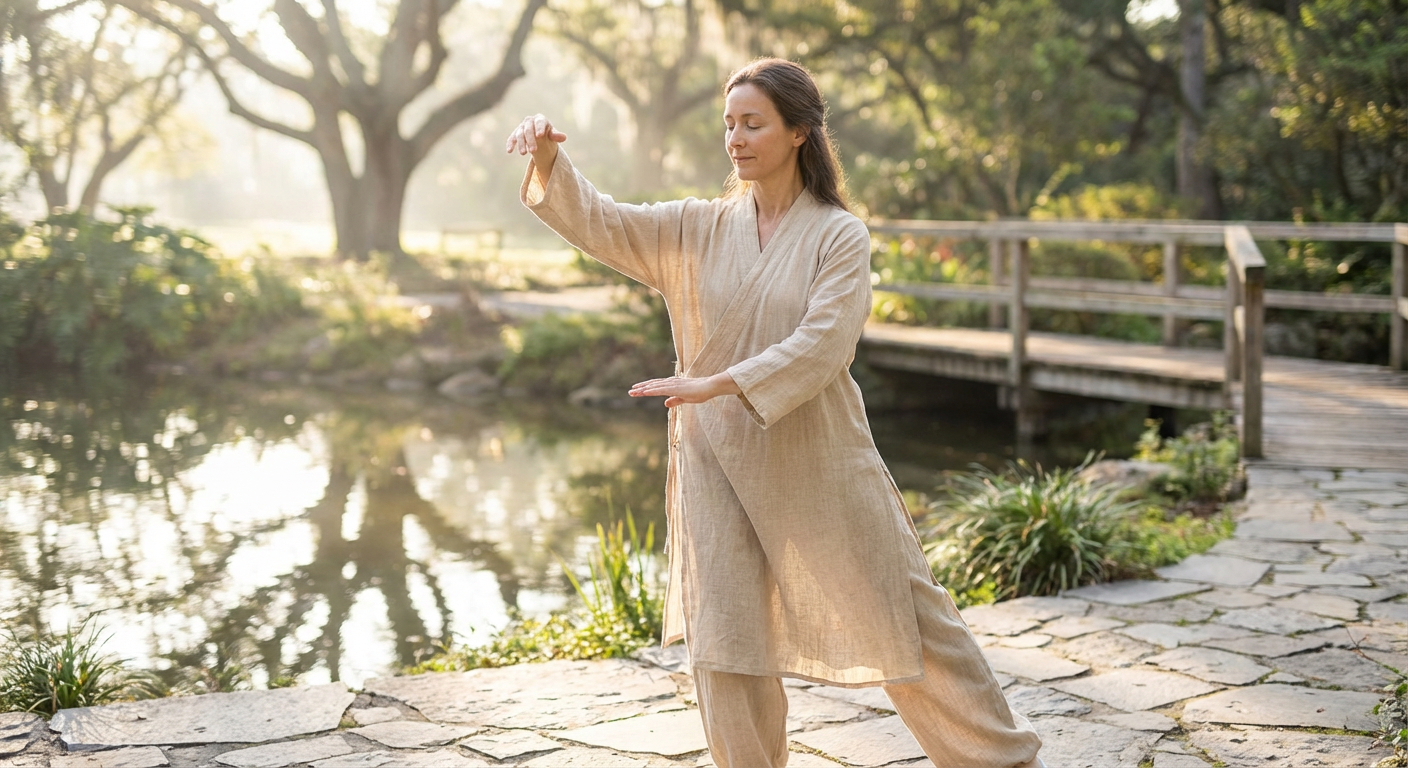
In our fast-paced, high-demand world, stress and anxiety have become unwelcome companions for many. The constant pressure to perform, coupled with an unending stream of information, can leave our nervous systems in a perpetual state of high alert. While many solutions exist, from therapy to medication, a growing body of scientific evidence points to a powerful and accessible tool for reclaiming inner peace: mindful movement. This practice, which marries physical activity with present-moment awareness, offers a holistic approach to not just managing, but reducing the symptoms of stress and anxiety.
A study from Penn State University revealed that while physical activity on its own helps reduce stress, the benefits are significantly amplified when the person is also mindful during the movement. This suggests that the real magic happens when we shift our mental state, transforming a simple walk or stretch into a potent form of meditation.
What Is Mindful Movement?
Mindful movement is the practice of paying deliberate, non-judgmental attention to your body and its sensations as you move.
Unlike traditional exercise that might focus on metrics like speed or calories burned, mindful movement prioritizes the mind-body connection.
The goal is not to push your limits, but to explore them with curiosity and kindness.
This practice is built on a few core principles:
- Present-Moment Awareness: Instead of letting your mind wander to your to-do list or worries, you anchor your attention to the here and now. You focus on the physical sensations of your body moving, the rhythm of your breath, and the environment around you.
- Mind-Body Connection: Mindful movement helps bridge the gap between your mental and physical experiences, fostering a deeper understanding of how they influence each other.
- Non-Judgment: The practice encourages you to observe your thoughts, feelings, and physical sensations without labeling them as “good” or “bad”.
The Science: How Mindful Movement Calms the Nervous System
The profound effects of mindful movement on stress and anxiety are not just subjective feelings; they are rooted in tangible physiological and psychological changes.
When you experience stress, your body activates the sympathetic nervous system, also known as the “fight-or-flight” response. This triggers a release of stress hormones like cortisol and adrenaline, preparing you to face a perceived threat.
While this response is crucial for survival, chronic stress can leave it perpetually activated, leading to a host of health problems.
Mindful movement practices, on the other hand, activate the parasympathetic nervous system—the “rest-and-digest” system.
- Reduces Stress Hormones: Regular practice of mindful movement, especially yoga, has been shown to significantly lower levels of cortisol, the primary stress hormone.
- Regulates Heart Rate and Blood Pressure: By calming the nervous system, practices like yoga and Tai Chi can help regulate heart rate and lower blood pressure.
- Boosts “Feel-Good” Chemicals: Physical activity, in general, releases endorphins, which have mood-boosting properties. Mindful movement can also increase neurotransmitters like serotonin and dopamine, which play a crucial role in mood regulation.
- Changes Brain Structure: Research shows that consistent practice can increase gray matter density in areas of the brain associated with emotional regulation, self-awareness, and learning.
Popular and Accessible Forms of Mindful Movement
One of the greatest strengths of mindful movement is its versatility. There is a practice to suit every fitness level and preference.
Yoga
A practice with ancient roots, yoga is perhaps the most well-known form of mindful movement. It combines physical postures (asanas), controlled breathing techniques (pranayama), and meditation.
Studies have repeatedly shown that yoga is effective in reducing symptoms of anxiety and depression, and can be a valuable complementary treatment.
Tai Chi
Often described as “meditation in motion,” Tai Chi is a traditional Chinese martial art that involves a series of slow, flowing movements. It is a low-impact exercise that is suitable for people of all ages and fitness levels.
Research has demonstrated that Tai Chi can significantly reduce anxiety and depression in older adults.
Qigong
Similar to Tai Chi, Qigong is another ancient Chinese practice that integrates physical postures, breathing techniques, and focused intention. It is designed to cultivate and balance the body’s vital energy, or “qi.”
Mindful Walking
One of the most accessible forms of mindful movement, mindful walking simply involves paying full attention to the experience of walking. You can focus on the sensation of your feet on the ground, the rhythm of your breath, and the sights and sounds around you.
Even a short, five-minute mindful walk can help to reset your nervous system.
How to Begin Your Practice
Starting a mindful movement practice doesn’t need to be complicated. Here are a few tips to get you started:
- Start Small: You don’t need to commit to an hour-long session. Begin with just 5-10 minutes a day and gradually increase the duration as you feel comfortable.
- Find a Quiet Space: Choose a place where you won’t be interrupted.
- Focus on Your Breath: Your breath is a powerful anchor to the present moment.
- Be Kind to Yourself: The goal is not perfection. If your mind wanders, gently guide it back to your practice without judgment.
- Explore Different Options: Try a few different types of mindful movement to see what resonates with you. There are countless online resources, apps, and local classes available.
By integrating mindful movement into your daily life, you can take an active role in managing your stress and anxiety. It is a powerful practice that can lead to greater self-awareness, emotional resilience, and a profound sense of inner peace.