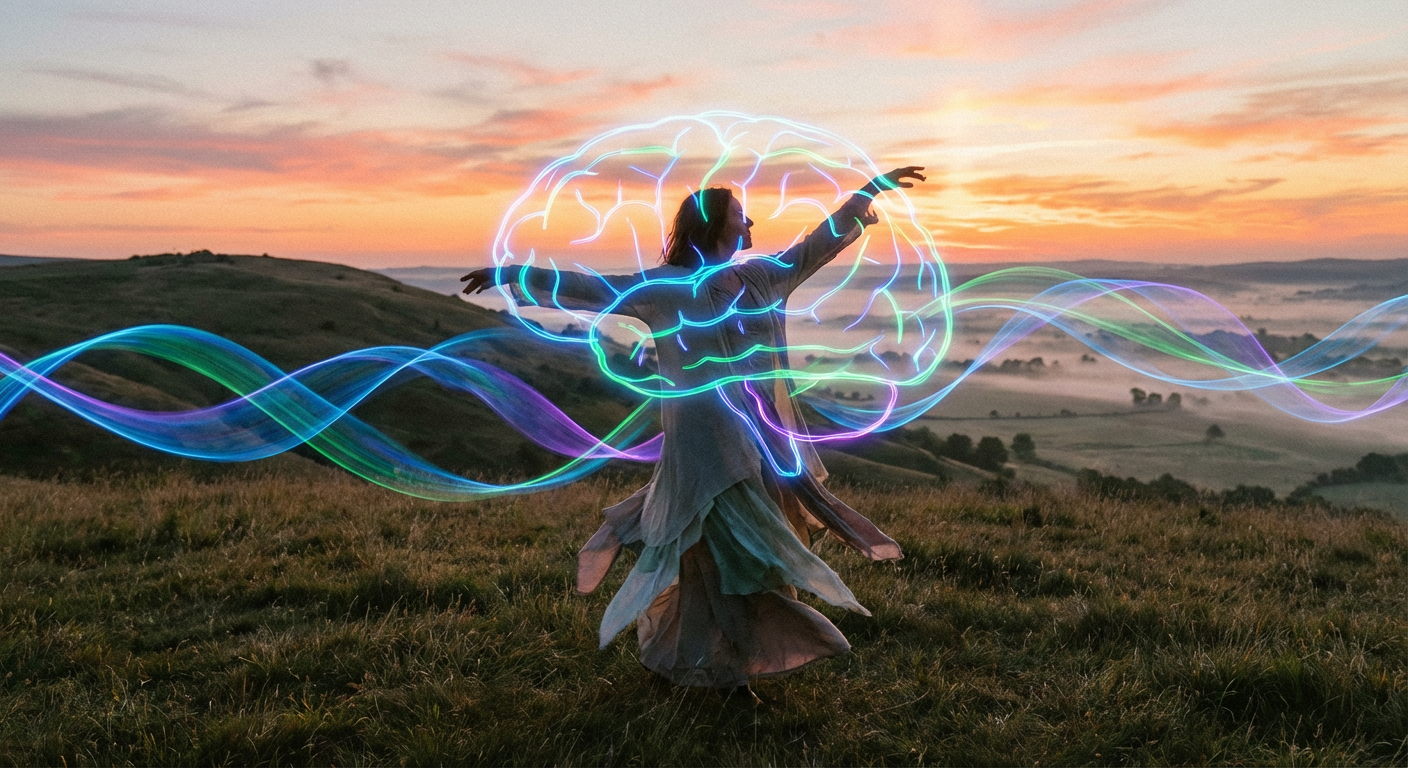
Have you ever felt a surge of joy and found your feet tapping, or felt a wave of anger and had the urge to stomp? That instinct to move with our feelings is a universal human experience. It’s a whisper from our primal brain, reminding us of a profound truth: our bodies and minds are in a constant, dynamic conversation. This article explores the core thesis that dance is not just an art form or physical exercise, but a potent form of emotional therapy, deeply rooted in the principles of neuroscience. We will delve into how intentional movement can be a powerful tool to recalibrate our emotional landscape.
The Mind-Body Divide is an Illusion
For centuries, Western thought has often treated the mind and body as separate entities. However, modern neuroscience and the concept of embodied cognition have shattered this illusion. Your brain doesn’t just send one-way commands to your limbs; it’s in a rich, continuous feedback loop with your entire body. How you move, stand, and breathe directly influences how you think and feel.
Your Brain on Dance
Several key brain structures are at the heart of this mind-body dialogue, and they are profoundly affected by dance:
- Amygdala: This is your brain’s emotional alarm system. It processes fear, anxiety, and threat. Rhythmic, controlled movement can soothe the amygdala, reducing feelings of panic and hypervigilance.
- Prefrontal Cortex (PFC): The “CEO” of your brain, the PFC is responsible for emotional regulation, decision-making, and impulse control. Dance, which requires focus and coordination, strengthens the neural pathways between the PFC and the amygdala, enhancing your ability to manage your emotions consciously.
- Cerebellum: Traditionally associated with balance and motor control, we now know the cerebellum also plays a vital role in processing emotions and thoughts. When you dance, you are quite literally “organizing” your cerebellum, which in turn helps organize your emotional state.
The Science of Rhythmic Release
Why does dancing to a beat feel so good? The answer lies in its ability to regulate our nervous system and flood our brain with beneficial neurochemicals. This is a cornerstone of emotional regulation through dance.
When you are stressed or anxious, your sympathetic nervous system (“fight or flight”) is in overdrive. The rhythmic, repetitive nature of dance acts as a powerful regulator. It encourages a shift to the parasympathetic nervous system (“rest and digest”), slowing your heart rate and promoting a sense of calm.
Simultaneously, movement releases a cocktail of “happy chemicals”:
- Endorphins: Your body’s natural pain and stress relievers.
- Serotonin: A key neurotransmitter for mood stability, happiness, and well-being.
- Dopamine: Associated with pleasure, motivation, and reward.
This process also reduces cortisol, the infamous stress hormone. In essence, dancing provides a full-system reset for a stressed-out brain and body, showcasing the incredible neuroscience of dance.
Dance/Movement Therapy (DMT) in Practice
While any form of dance can be therapeutic, Dance/Movement Therapy (DMT) is a formal, recognized psychotherapeutic practice. It’s more than just a dance class; it is a form of somatic therapy.
What Happens in a DMT Session?
Led by a credentialed dance/movement therapist, a session might involve a mix of verbal processing and movement exploration. Unlike a dance class focused on technique or performance, DMT focuses on the internal experience. A therapist might guide a client to:
- Explore a specific emotion (like grief or joy) through spontaneous movement.
- Use movement to explore relationship dynamics (e.g., boundaries, connection).
- Engage in “mirroring,” where the therapist attunes to and reflects the client’s movements to build trust and non-verbal understanding.
The goal is not to “dance well” but to use the body’s wisdom to access, process, and integrate feelings that words alone cannot reach. It can be incredibly beneficial for individuals dealing with trauma, eating disorders, anxiety, depression, and more, making it a critical aspect of dance for mental health.
Beyond the Studio: Bringing Dance into Daily Life
You don’t need a formal session to reap the benefits. Here are four practical exercises to integrate therapeutic movement into your day:
- The 5-Minute Emotional Shake-Out: Feeling overwhelmed or stuck? Put on a high-energy song and for five minutes, just shake your body. Shake your hands, your arms, your legs, your head. Release the tension physically.
- Mirroring Movement with a Partner: With a friend or partner, stand facing each other. One person becomes the leader, moving slowly and intentionally. The other person follows, mirroring their movements as precisely as possible. This builds empathy and non-verbal connection.
- Creating a Personal ‘Feeling’ Playlist: Curate playlists for different moods you want to process or cultivate. Have a “Rage Release” playlist with intense music, a “Gentle Grief” playlist with soft, melancholic tunes, and a “Joyful Jumpstart” playlist to boost your energy.
- Body Scan in Motion: Lie or stand comfortably. Starting from your toes, bring gentle awareness and small movements to each part of your body. Wiggle your toes, rotate your ankles, bend your knees. How does each part feel? This reconnects your mind to your physical self.
The Evidence Speaks: Research and Case Insights
A growing body of research validates the efficacy of DMT. Studies published in journals like The Arts in Psychotherapy have shown that dance movement therapy significantly reduces symptoms of depression and anxiety. Research on PTSD has found that the non-verbal, body-based approach can help survivors process traumatic memories that are held in the body, bypassing the cognitive “stuck points” that talk therapy can sometimes encounter.
Hypothetical Case Insights
- Anna, 34, with Anxiety: Anna experiences chronic anxiety as a tightness in her chest and shallow breathing. In therapy, she learns to use expansive, open movements and deep, rhythmic breathing to physically counteract the constrictive state of anxiety, sending signals of safety back to her brain.
- Mark, 45, with Depression: Mark struggles with lethargy and a sense of “stuckness.” His therapist encourages him to explore heavy, slow movements that match his feeling, then gradually introduces music with a slightly faster tempo, helping him gently shift his physical and emotional energy from stagnation to activation.
FAQ Section
Frequently Asked Questions
1. Do I need to be a good dancer to benefit?
Absolutely not. Dance therapy is about authentic expression, not technical skill. The focus is on how the movement feels to you and what it unlocks emotionally. All bodies and all abilities are welcome.
2. How is DMT different from talking therapy?
Talk therapy primarily uses verbal language to process thoughts and feelings. DMT integrates the body, using movement as a primary mode of discovery and healing. It can access pre-verbal memories and emotions held in the body, making it a powerful complement or alternative to traditional psychotherapy.
3. Can I practice dance therapy alone?
While formal DMT is done with a trained therapist, you can certainly practice therapeutic dance on your own. Using the exercises mentioned above, like the “Emotional Shake-Out” or creating feeling-based playlists, is a wonderful form of self-care and emotional exploration.
Conclusion
Our bodies are innate sources of wisdom, and movement is their native language. To dance is to engage in a powerful act of self-regulation and expression that reconnects the mind to its physical home. It is an accessible, profound, and scientifically-backed tool for recalibrating a brain under stress. The evidence is clear: from the intricate neuroscience of dance to the practical applications of dance movement therapy, moving our bodies is one of the most effective ways to heal our minds.
So, here is your call to action: Right now, stand up. Put on a piece of music you love. For just one minute, close your eyes and let your body respond. Feel the rhythm, notice the sensations, and give yourself permission to move. In that single moment of intentional movement, you are engaging in one of the oldest and most powerful forms of therapy there is.