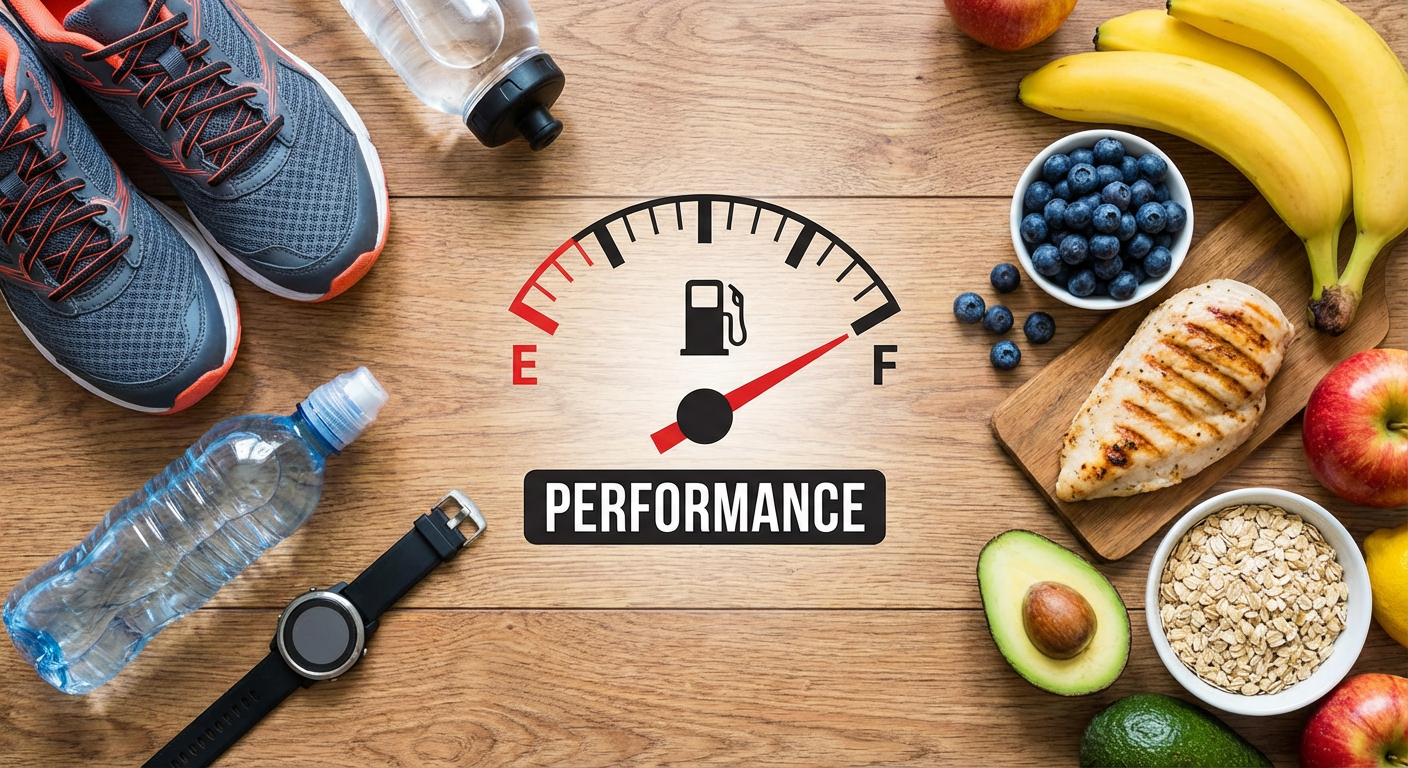
In the world of athletics, the margin between victory and defeat can be razor-thin. While training and skill are undeniably crucial, a frequently underestimated component of success is sports nutrition. Just as a high-performance vehicle requires premium fuel to function optimally, an athlete’s body needs the right nutrients to power through demanding workouts, recover effectively, and achieve peak athletic performance. This guide will delve into the science behind sports nutrition, providing a comprehensive roadmap for athletes of all levels to unlock their full potential.
The Bedrock of Performance: Macronutrients
Macronutrients – carbohydrates, proteins, and fats – are the primary sources of energy and the building blocks for the body. Understanding their roles is fundamental to crafting an effective nutrition plan for fueling for performance.
Carbohydrates: The Primary Fuel Source
Carbohydrates are the body’s preferred energy source, especially during high-intensity exercise. They are stored in the muscles and liver as glycogen. When you engage in strenuous activity, your body breaks down glycogen to provide the energy needed to keep you going. Insufficient carbohydrate intake can lead to fatigue, decreased concentration, and a significant drop in performance, a phenomenon often referred to as “hitting the wall.” This is why knowing what to eat before a workout is critical.
For optimal performance, athletes should prioritize complex carbohydrates, which provide a sustained release of energy. Excellent sources include:
- Whole grains (oats, brown rice, quinoa)
- Starchy vegetables (sweet potatoes, corn)
- Fruits and vegetables
The recommended daily carbohydrate intake for athletes ranges from 5 to 12 grams per kilogram of body weight, depending on the intensity and duration of their training.
Protein: The Building and Repair Crew
While carbohydrates provide the fuel, protein is essential for muscle recovery, growth, and repair. During exercise, muscle fibers experience micro-tears, and protein provides the necessary amino acids to rebuild and strengthen them, which is key for muscle growth. Athletes have higher protein requirements than sedentary individuals, with recommendations typically falling between 1.2 and 2.3 grams of protein per kilogram of body weight per day.
Knowing what to eat after a workout is vital, and high-quality protein sources are crucial for maximizing muscle protein synthesis. These include:
- Lean meats (chicken, turkey, fish)
- Eggs
- Dairy products (milk, yogurt, cottage cheese)
- Legumes and tofu
Consuming protein, particularly within two hours after a workout, can significantly enhance muscle recovery and adaptation.
Fats: The Long-Lasting Energy Reserve
Fats are a vital energy source, particularly for prolonged, lower-intensity exercise. They also play a crucial role in hormone production and the absorption of fat-soluble vitamins. Athletes should focus on consuming healthy unsaturated fats and limit their intake of saturated and trans fats. Good sources of healthy fats include:
- Avocados
- Nuts and seeds
- Olive oil
- Fatty fish (salmon, mackerel)
Micronutrients: The Unsung Heroes
While macronutrients provide the energy, micronutrients – vitamins and minerals – are essential for a vast array of bodily functions that support athletic performance. Deficiencies in key vitamins and minerals can impair energy production, compromise immune function, and increase the risk of injury. For example, iron deficiency can lead to anemia, reducing endurance capacity. To ensure an adequate intake of micronutrients, athletes should consume a wide variety of colorful fruits and vegetables.
Hydration: The Performance Multiplier
Proper hydration is arguably one of the most critical yet overlooked aspects of sports nutrition. Even mild dehydration, as little as a 2% loss of body weight, can negatively impact athletic performance, leading to fatigue, decreased concentration, and impaired thermoregulation. It’s crucial for athletes to have a hydration strategy before, during, and after exercise.
For workouts lasting less than 60 minutes, water is generally sufficient. For longer or more intense sessions, a sports drink containing electrolytes can help replenish what is lost through sweat.
Nutrient Timing: When You Eat Matters
The timing of your meals can significantly impact your performance and recovery.
- Pre-Workout: Consume a carbohydrate-rich meal or snack 2-4 hours before exercise to top off glycogen stores. As you get closer to your workout, opt for smaller, easily digestible carbohydrates.
- During Workout: For sessions longer than 60-90 minutes, consuming 30-60 grams of carbohydrates per hour can help maintain energy levels and delay fatigue.
- Post-Workout: Within 30-60 minutes after exercise, consume a meal or snack containing both carbohydrates and protein to replenish glycogen stores and initiate muscle repair.
Supplements: A Helping Hand, Not a Magic Bullet
The supplement industry is vast, but it’s important to remember that supplements should complement a well-balanced diet, not replace it. While some supplements, like creatine and beta-alanine, have been shown to enhance performance, many others lack scientific backing. It’s crucial to research supplements thoroughly and consult with a sports dietitian or healthcare professional before incorporating them into your routine.
By understanding and implementing the principles of sports nutrition, you can unlock your true athletic potential. Remember, fueling for performance is not just about what you eat, but about making strategic food choices that support your training, enhance your recovery, and ultimately, lead you to victory.
h3h66o
If some one wishes to be updated with latest technologies
after that he must be pay a visit this web site and be up to date every day.